Showing posts with label accept. Show all posts

Saturday, July 31, 2021

Cool Can Dentists Accept Gifts From Patients 2023

Dentist Gift, Dentist Mug, Gifts For Dentist, Dental Gift, Dental
Dentist Gift, Dentist Mug, Gifts For Dentist, Dental Gift, Dental from www.pinterest.com

Can dentists accept gifts from patients? It's a question that many people may not think about, but it's an important one to consider. In this article, we'll explore the topic of whether or not dentists can accept gifts from their patients and provide you with some valuable information to help you make an informed decision.

When it comes to receiving gifts from patients, dentists may encounter some pain points. For example, they may worry about the ethical implications of accepting gifts, or they may be concerned about how accepting gifts could impact their professional reputation. Additionally, dentists may also have personal beliefs or values that make them uncomfortable with accepting gifts from patients.

The answer to whether or not dentists can accept gifts from patients is not a simple one. It ultimately depends on various factors, including the dentist's personal and professional ethics, the nature of the gift, and any applicable legal or regulatory guidelines. Some dentists may choose to accept small tokens of appreciation, such as a handwritten note or a homemade treat, while others may feel more comfortable declining any gifts altogether.

In summary, whether or not dentists can accept gifts from patients is a complex issue that depends on individual circumstances. Dentists must consider their own personal and professional ethics, as well as any relevant legal or regulatory guidelines. Ultimately, the decision to accept or decline a gift from a patient is up to the dentist.

Can Dentists Accept Gifts from Patients: Explained

When it comes to the topic of can dentists accept gifts from patients, there are a few key points to understand. First and foremost, accepting gifts from patients is not inherently illegal or unethical. However, dentists must consider certain factors before accepting a gift. For example, they should assess the value of the gift and ensure it does not create a conflict of interest or compromise their professional judgment.

Personal experiences can shed light on the topic of can dentists accept gifts from patients. Many dentists have received small tokens of appreciation from their patients, such as a thank-you card or a small gift. These gestures can help foster a positive doctor-patient relationship and show gratitude for the dentist's services. However, dentists must be cautious about accepting gifts that could be seen as extravagant or that could potentially influence their treatment decisions.

The history and myth surrounding the topic of can dentists accept gifts from patients can be traced back to the Hippocratic Oath, which emphasizes the importance of maintaining professional integrity and avoiding conflicts of interest. While the oath does not explicitly address the issue of accepting gifts, it serves as a guiding principle for many healthcare professionals when it comes to ethical decision-making.

The hidden secret about can dentists accept gifts from patients is that it ultimately comes down to the dentist's own personal and professional judgment. Dentists must carefully consider the potential implications and weigh the benefits and risks of accepting a gift from a patient. It is essential for dentists to prioritize patient care and ensure that their professional judgment is not compromised by accepting gifts.

Recommendations for Dentists

Based on ethical considerations and best practices, here are some recommendations for dentists when it comes to accepting gifts from patients:

- Be mindful of the value and nature of the gift. Small tokens of appreciation, such as thank-you cards or homemade treats, are generally acceptable. - Assess the potential impact of accepting a gift on your professional judgment and decision-making. - Familiarize yourself with any legal or regulatory guidelines that may apply to accepting gifts from patients. - Consider the potential perception of accepting gifts and how it may impact your professional reputation. - Prioritize patient care and ensure that accepting a gift does not compromise your ability to provide unbiased treatment.

Can Dentists Accept Gifts from Patients: A Closer Look

When considering whether dentists can accept gifts from patients, it's important to delve deeper into the topic. Dentists must navigate the complexities of maintaining patient trust, upholding ethical standards, and avoiding conflicts of interest. Accepting gifts from patients can potentially blur the boundaries of the doctor-patient relationship and raise questions about the dentist's motives and professional judgment.

Tips for Dentists

Here are some tips for dentists when it comes to navigating the issue of accepting gifts from patients:

- Establish clear boundaries and communicate them to your patients. - Educate yourself on the ethical guidelines and regulations specific to your profession and location. - Consider consulting with colleagues or professional organizations for guidance on accepting gifts. - Regularly reflect on your own values and beliefs to ensure that they align with your decision to accept or decline gifts. - Prioritize transparency and open communication with your patients regarding any potential conflicts of interest.

Conclusion of Can Dentists Accept Gifts from Patients

In conclusion, the question of whether dentists can accept gifts from patients is a complex one. Dentists must carefully consider their own personal and professional ethics, as well as any relevant legal or regulatory guidelines. While accepting small tokens of appreciation is generally acceptable, dentists should be cautious about accepting gifts that could compromise their professional judgment or create a conflict of interest. Ultimately, the decision to accept or decline a gift from a patient is up to the dentist, who must prioritize patient care and uphold ethical standards.

Sunday, July 18, 2021

Awasome Do Colleges Accept D's On Transcripts References

Do Colleges Accept Online High School Diplomas?
Do Colleges Accept Online High School Diplomas? from www.eachieve.com

Are you worried about whether colleges accept D's on transcripts? Well, you're not alone. Many students and parents have concerns about how colleges view grades, especially when it comes to lower grades like D's. In this article, we'll explore the topic of whether colleges accept D's on transcripts and provide you with valuable information to help ease your worries.

The Pain Points of Do Colleges Accept D's on Transcripts

When it comes to the college admissions process, grades play a significant role. Many students and parents worry that a few D's on a transcript can negatively impact their chances of getting into their desired colleges. This concern is understandable, as college admissions can be highly competitive, and a strong academic record is often a requirement. However, it's essential to understand the bigger picture before jumping to conclusions.

Do Colleges Accept D's on Transcripts?

The answer to this question is not a simple yes or no. While some colleges may accept D's on transcripts, it's crucial to note that these grades could still have an impact on your college application. Admissions officers consider various factors when evaluating an applicant, including GPA, class rank, standardized test scores, extracurricular activities, essays, and recommendation letters. So, while a few D's may not automatically disqualify you from admission, they could still raise concerns and affect your overall application.

Main Points about Do Colleges Accept D's on Transcripts

In summary, colleges may accept D's on transcripts, but it's important to consider the broader context. Admissions officers review applications holistically and take various factors into account. While a few D's may not be a deal-breaker, they could still raise concerns about an applicant's academic abilities. It's essential to demonstrate growth, improvement, and a strong overall application to compensate for any lower grades.

Personal Experience and Explanation of Do Colleges Accept D's on Transcripts

When I was in high school, I received a few D's on my transcript. I was worried about how this would impact my college admissions chances. However, I learned that colleges consider more than just grades. I focused on improving my overall academic performance, participating in extracurricular activities, and writing a compelling personal essay. Despite my lower grades, I was accepted into several colleges. This experience taught me that while grades are important, they are not the sole determining factor in college admissions.

So, if you have a few D's on your transcript, don't panic. Instead, focus on showcasing your strengths and growth in other areas of your application. Highlight extracurricular activities, community service, leadership roles, and any other accomplishments that demonstrate your potential and commitment.

What is Do Colleges Accept D's on Transcripts?

Do colleges accept D's on transcripts refers to the question of whether colleges will consider and accept students who have received D grades in certain courses. This question arises because D grades are generally considered low and may raise concerns about an applicant's academic abilities. However, the answer to this question is not straightforward and requires a more in-depth understanding of the college admissions process.

When colleges review applications, they take a holistic approach. They consider various factors, including grades, extracurricular activities, essays, recommendation letters, and standardized test scores. While D's may not be ideal, colleges understand that students face challenges and may have areas of weakness. Admissions officers look for overall potential and growth rather than focusing solely on grades.

It's important to note that not all colleges have the same policies regarding D grades. Some colleges may have specific requirements or expectations for applicants. Therefore, it's essential to research individual college admissions policies to understand how they view and evaluate D grades on transcripts.

The History and Myth of Do Colleges Accept D's on Transcripts

The history of how colleges view D's on transcripts is not well-documented, but there have been myths and misconceptions surrounding this topic. Some students and parents believe that D's are an automatic disqualification from college acceptance. However, this is not entirely true.

While D's may raise concerns for admissions officers, they do not necessarily mean rejection. Colleges understand that students may face challenges or have areas of weakness. Admissions officers evaluate applicants holistically, considering factors beyond just grades. They look for potential, growth, and overall fit within the college community.

It's important to dispel the myth that a few D's on your transcript mean the end of your college dreams. Instead, focus on improving your overall application, demonstrating growth, and highlighting your strengths in other areas.

The Hidden Secret of Do Colleges Accept D's on Transcripts

The hidden secret of whether colleges accept D's on transcripts lies in the holistic evaluation process. While D's may raise concerns, they do not automatically disqualify you from college acceptance. Admissions officers consider various factors, such as extracurricular activities, essays, recommendation letters, and personal achievements, to gain a complete understanding of an applicant's potential.

One hidden secret is that colleges value improvement and growth. If you have received D's in the past but have shown significant improvement in subsequent semesters or have taken steps to address your weaknesses, admissions officers may view this positively. It's important to showcase your dedication to personal growth and your ability to overcome challenges.

Another hidden secret is that colleges understand that grades are not the sole indicator of future success. They recognize that students have different strengths and areas of expertise. Admissions officers look for well-rounded individuals who can contribute to the college community in various ways, not just academically.

Recommendation for Do Colleges Accept D's on Transcripts

If you have D's on your transcript, there are several recommendations to enhance your chances of college acceptance:

1. Focus on improving your overall academic performance, especially in the subjects where you received D's. Seek additional help, study resources, or tutoring if needed.

2. Take challenging courses and excel in them to demonstrate your academic abilities.

3. Engage in extracurricular activities that align with your interests and showcase your skills, leadership, or community involvement.

4. Write a compelling personal essay that highlights your growth, resilience, and determination.

By following these recommendations, you can strengthen your college application and mitigate any concerns that admissions officers may have regarding your D grades.

Explaining the Topic in More Detail

When it comes to the topic of whether colleges accept D's on transcripts, it's essential to delve deeper into the evaluation process. Admissions officers consider various factors, including GPA, class rank, standardized test scores, extracurricular activities, essays, and recommendation letters. While D's may raise concerns, they are not an automatic disqualification.

Colleges understand that students face challenges and may have areas of weakness. They look for overall potential and growth, rather than fixating solely on grades. Admissions officers want to see how applicants have overcome obstacles, demonstrated improvement, and showcased their strengths in other areas of their application.

It's important to address any D grades in your application and provide context. Explain any extenuating circumstances, personal challenges, or steps taken to improve. Admissions officers appreciate honesty and self-reflection.

Tips for Do Colleges Accept D's on Transcripts

If you're concerned about whether colleges will accept D's on your transcript, consider these tips:

1. Research individual college admissions policies to understand how they view and evaluate D grades.

2. Focus on showcasing your strengths, growth, and improvement in other areas of your application.

3. Seek additional help or resources to improve your academic performance in subjects where you received D's.

4. Engage in extracurricular activities, community service, or leadership roles to demonstrate your potential and commitment.

By following these tips, you can navigate the college admissions process with confidence, even if you have D's on your transcript.

Question and Answer Section about Do Colleges Accept D's on Transcripts

Q: Will a few D's on my transcript automatically disqualify me from college acceptance?

A: No, a few D's on your transcript will not automatically disqualify you from college acceptance. Admissions officers consider various factors when evaluating applications and look for overall potential and growth.

Q: Do all colleges have the same policies regarding D grades on transcripts?

A: No, not all colleges have the same policies regarding D grades on transcripts. It's important to research individual college admissions policies to understand how they view and evaluate D grades.

Q: How can I mitigate any concerns about my D grades in my college application?

A: You can mitigate concerns about your D grades by focusing on showcasing your strengths, growth, and improvement in other areas of your application. Engage in extracurricular activities, seek additional help in challenging subjects, and write a compelling personal essay.

Q: Should I address my D grades in my college application?

A: Yes, it's important to address your D grades in your college application. Provide context, explain any extenuating circumstances or personal challenges, and highlight steps taken to improve.

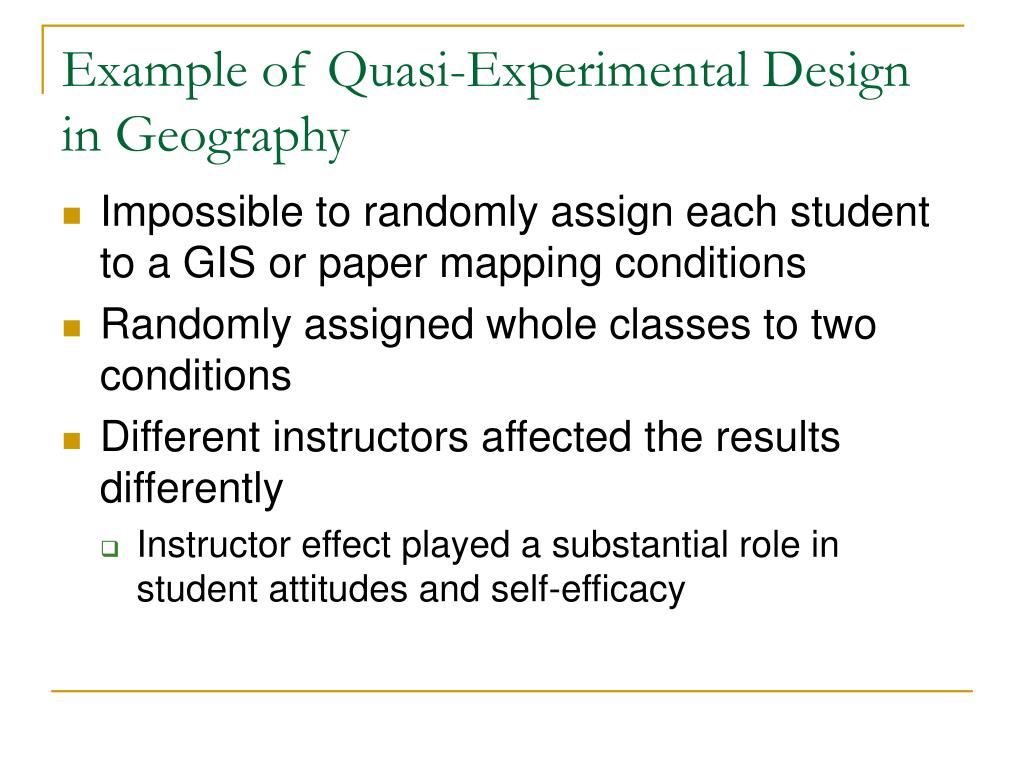
Experiments and Quasi-Experiments

Table Of Content Selecting and Improving Quasi-Experimental Designs in Effectiveness and Implementation Research Characterize fidelity and m...